
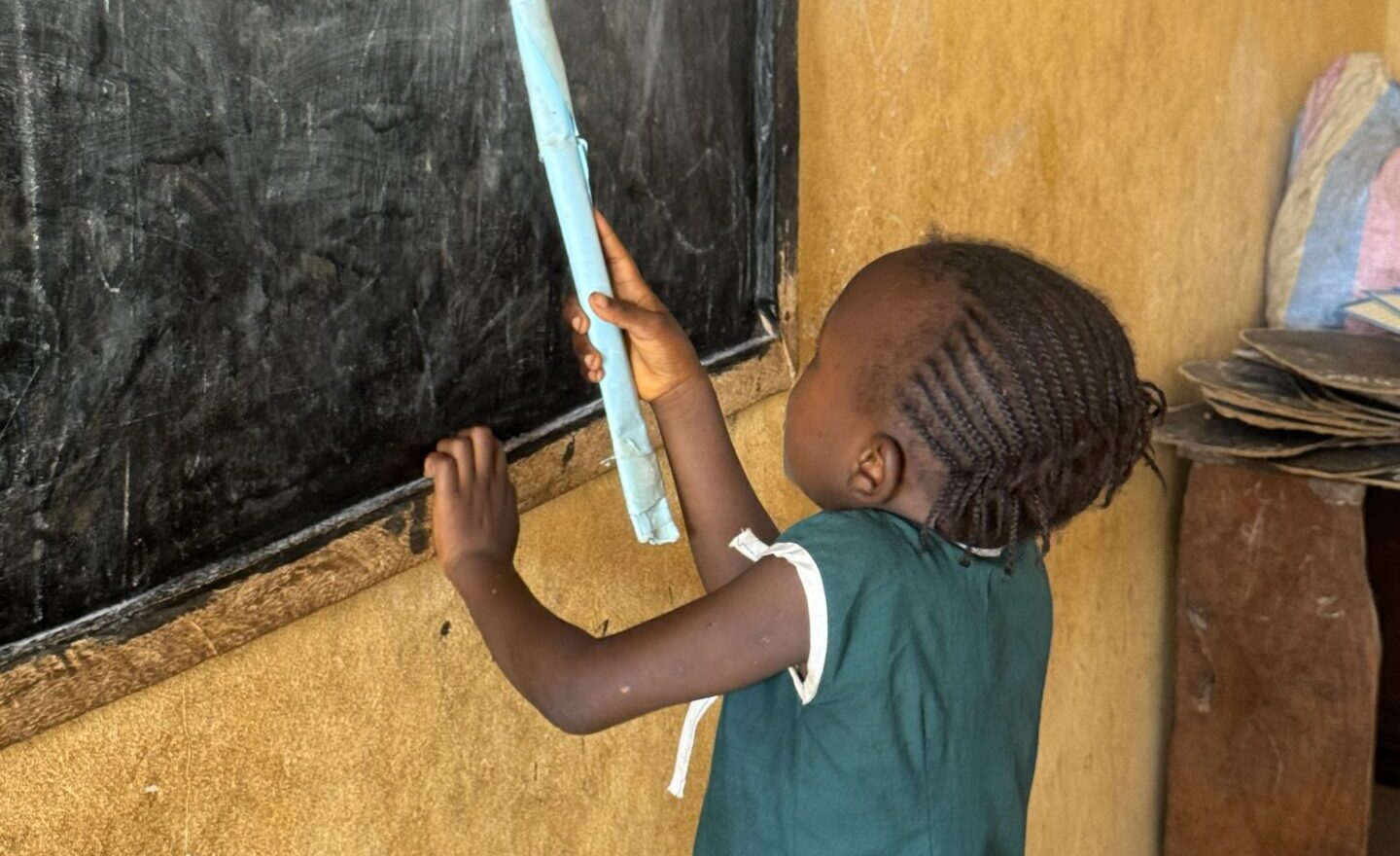
Parents want PPE for their children
90.8% of parents recognize the importance of PPE, citing benefits such as school readiness, social skills, early literacy and numeracy, and childcare support. More than half (54.3%) already have a child enrolled, showing that when obstacles are removed, families are eager to participate.
Barriers to access
Despite this demand, parents face challenges. School fees, even under the Free Quality School Education policy, remain the most common obstacle. Distance to PPE centers, cultural concerns, and security issues also limit enrolment. These findings highlight the need for community sensitization, fee support, and safer access routes.
Inside the schools: overcrowding and teacher shortages
While enrolment has grown slightly, progress is uneven. Some schools report declines due to fees and quality concerns. Overcrowding is severe, with 50–55 pupils per classroom (double the recommended size) making play-based learning nearly impossible. Teacher capacity is another critical gap: all 23 schools rely heavily on untrained staff, with ratios as high as 5:1 untrained to trained teachers.
Infrastructure and learning materials
The study found widespread deficits in WASH facilities. Most PPE centers lack toilets for small children, safe handwashing stations, and disability-friendly options. Teaching and learning materials are also scarce: basic books, charts, toys, and age-appropriate furniture are in short supply, with schools depending on irregular NGO support.
Policy and inclusion challenges
Key informants pointed to weak implementation of early childhood policies and the absence of PPE in district budgets. Vulnerable groups (children with disabilities, overage learners, girls, and rural communities) remain underserved.
Schoolfeeding makes a difference
One striking insight: schools with feeding programs see better attendance and higher enrolment. Communities consistently cited feeding as the most effective motivator for parents.
INCE’s response
These findings confirm the urgency of INCE’s interventions: teacher training and coaching, provision of learning materials, inclusion measures, and several lobby- and advocacy goals on the PPE-thematic area. Together, these steps aim to ensure every child in Sierra Leone has access to quality early education.